
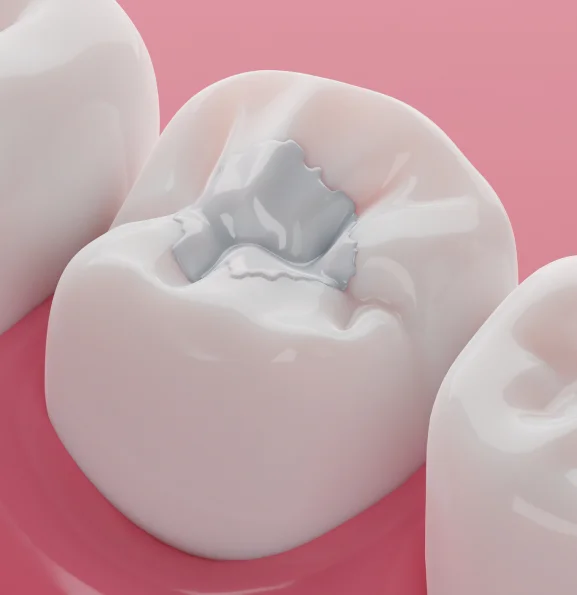
Rebuild Damaged Teeth With Tooth-Colored Fillings
A cavity does not have to leave a noticeable mark on your smile. Composite dental fillings use a tooth-colored resin material to repair areas affected by decay or minor damage while preserving as much healthy tooth structure as possible. At DeMarco Family Dental in Tuckerton, NJ, composite fillings offer a practical way to restore a tooth’s shape, support normal chewing, and maintain a natural appearance.
The material is matched to the surrounding teeth and bonded directly to the prepared surface, making it a suitable option for many small to moderate cavities. Treatment recommendations depend on the location and extent of the damage, the tooth’s condition, and your overall oral health.
Schedule a ConsultationWhy Patients Choose Tooth-Colored Fillings
Composite resin has become a popular choice for restoring teeth because it protects both your oral health and the way your smile looks.
- The resin comes in a range of shades, so we can match the color of the surrounding tooth, even on front teeth that show when you smile.
- Composite attaches directly to the tooth surface, which can help support the remaining structure.
- Because the material bonds in place, less healthy tooth often needs to be removed than with some older filling styles.
- Composite can repair cavities, fill small chips, close minor gaps, and rebuild worn edges.
- Most fillings are completed in a single visit, and the material hardens right away under a curing light.
- Composite fillings contain no metal, which is a deciding factor for many patients.
Ideal Situations for Composite Tooth Fillings
Composite fillings are a suitable option when tooth decay or minor damage affects a tooth while enough healthy structure remains for restoration. They can repair cavities, small chips, worn enamel, and localized damage without requiring a larger restoration, such as a crown. Tooth-colored composite resin also provides a natural appearance, making it useful for visible teeth. Existing fillings may sometimes be repaired or replaced with composite material, depending on the tooth’s condition and clinical assessment.
How Composite Dental Fillings Are Placed
Placing a composite filling involves removing damaged tooth tissue when necessary, preparing the area for bonding, and shaping the resin to restore the tooth. The steps vary depending on the cavity’s size and location, but the treatment generally follows this sequence.
Simple Ways to Care for Fillings
Good home care helps protect your composite filling and the surrounding tooth from further damage. Brush twice daily with fluoride toothpaste, clean between your teeth every day, and limit sugary snacks and drinks to reduce the risk of additional decay. Avoid biting ice, hard objects, or other items that could chip or damage the restoration. Regular dental examinations allow the team to check your filling for wear and other concerns.
Some temporary sensitivity to temperature or pressure may occur after treatment. However, if discomfort persists, worsens, or affects chewing, contact DeMarco Family Dental for an evaluation. Also, report any sharp edges, bite changes, or loose or damaged fillings promptly.
Restore Tooth Health With Composite Fillings
A cavity or small chip does not have to compromise the appearance or function of your smile. DeMarco Family Dental provides restorative dental care in Tuckerton, NJ, to help patients address tooth damage and maintain their oral health. If you have a cavity, tooth sensitivity, or minor tooth damage, we are here to help you find the right solution. Call us at 609-296-8700 to schedule an examination and learn more about our dental filling options.
Request an AppointmentFrequently Asked Questions
About Composite Fillings
A composite filling is a tooth-colored restoration made of a plastic and glass resin blend. It is bonded directly to a tooth to repair a cavity, chip, or worn area, and it is shaped and polished to match the natural tooth.
Composite fillings commonly last around 7 to 10 years, and many last longer with good oral hygiene and regular checkups. Lifespan depends on the size and location of the filling, your bite, and habits such as grinding or chewing hard objects.
The tooth is numbed with local anesthetic, so you should feel pressure but not sharp pain. Mild sensitivity afterward is common and usually fades within a few days.
A single filling usually takes about 30 to 60 minutes, depending on the size and location of the cavity. Multiple fillings or larger repairs can take longer.
Yes, once the numbness has worn off. The resin hardens immediately under a curing light, so you do not have to wait for it to set. Avoid chewing while your lip, cheek, or tongue is numb.
Temporary sensitivity to temperature or biting pressure is common after a filling, especially for deeper cavities. If a tooth stays sore for more than a couple of weeks, feels high when you bite, or the pain gets worse, contact our office so we can check the filling.
Yes. Metal fillings that are worn, cracked, or leaking around the edges can often be replaced with tooth-colored composite. We will examine each filling and let you know if replacement is recommended or if it can safely stay.
Many dental insurance plans cover fillings, at least in part. Coverage varies by plan, particularly for tooth-colored materials on back teeth, so our team can help you understand your benefits before treatment.
