

Replace Missing Teeth With Implants
Missing teeth can affect your ability to chew, speak, and smile confidently, but dental implants offer a stable, long-term replacement option. These small, biocompatible posts, usually made of titanium, are placed in the jawbone to serve as artificial tooth roots and provide support for replacement teeth.
As the implant integrates with the surrounding bone, it creates a secure foundation for a custom crown, bridge, or denture. At DeMarco Family Dental in Tuckerton, NJ, we explain each stage of treatment and discuss suitable options based on your oral health, number of missing teeth, and smile goals. Our team helps you understand what to expect so you can make an informed decision about restoring your smile.
Schedule a ConsultationDifferent Implant Options
Dental implants can replace one or several missing teeth, with treatment options tailored to your oral health, jawbone condition, and restoration needs. Understanding the available options can help you explore which approach may best restore your smile, comfort, and chewing function.
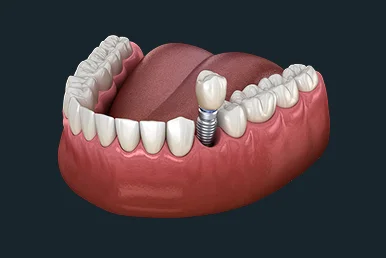
Single-Tooth Implant
A single-tooth implant replaces one missing tooth using a titanium post placed in the jawbone and topped with a custom dental crown. It restores the appearance and function of the missing tooth without requiring support from neighboring teeth, helping preserve their natural structure.
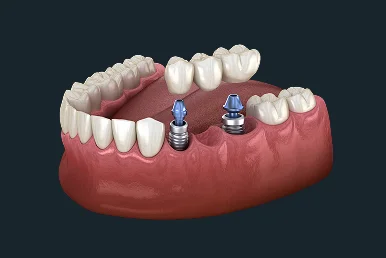
Implant-Supported Bridge
When several adjacent teeth are missing, an implant-supported bridge can restore the gap using two or more strategically placed implants. These implants anchor a connected series of replacement teeth, reducing the need for an individual implant for every missing tooth while providing stable, functional support.
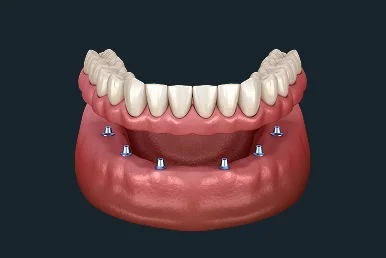
Implant-Supported Denture
An implant-supported denture is designed for patients missing most or all teeth in the upper or lower arch. Several implants secure the denture in place, improving stability during speaking and eating. This option can reduce slipping and movement compared with conventional removable dentures.
The Dental Implant Journey, From Consultation to Final Crown
Implant treatment unfolds over several months, and each stage has a clear purpose. The timeline varies from patient to patient, depending on how quickly the bone heals and whether extra procedures are needed.
Why Replacing the Root Makes a Lasting Difference
A tooth is more than its crown. The root anchors it in the jaw and keeps the surrounding bone active and healthy. When a tooth is lost and the root is not replaced, the bone beneath the gap slowly begins to shrink. Implants are the only tooth replacement that rebuilds that foundation.
- The implant post stimulates the jawbone during chewing, which helps slow the bone loss that follows tooth removal.
- Because implants are anchored in bone, they do not slip or shift, so you can enjoy crunchy, chewy, and everyday foods with confidence.
- The crown is shaded and shaped to blend with neighboring teeth, and the gums heal around it much like they do around a natural tooth.
- A single implant stands on its own, so neighboring teeth do not need to be reshaped to support it.
- Nothing clicks, slides, or needs adhesive.
- With excellent oral hygiene and regular checkups, implants can last for decades, and many last a lifetime.
- You brush and floss an implant much like a natural tooth.
Who Can Benefit From Dental Implants?
Dental implants may be suitable for adults who have one or more missing teeth, healthy gums, and enough jawbone to support an implant. Good overall health and a commitment to daily oral hygiene and regular dental visits also contribute to successful treatment. If bone loss has occurred, a bone graft may be recommended before implant placement.
Certain factors, including smoking, uncontrolled diabetes, and some medications, can affect healing and increase the risk of complications. However, these concerns do not automatically rule out treatment. At DeMarco Family Dental, we evaluate your oral health, review your medical history, and discuss your options to determine whether dental implants are an appropriate solution for your needs.
Get Personalized Guidance for Your Dental Needs
At DeMarco Family Dental in Tuckerton, NJ, we take time to understand your concerns, explain your treatment options, and help you choose an approach that suits your dental needs and goals. Whether you want to replace missing teeth or improve the comfort and appearance of your smile, our team is here to guide you through the next steps. Call us at 609-296-8700 to discuss your options or schedule an appointment.
Request an AppointmentFrequently Asked Questions
About Dental Implants
Dental implants are small titanium posts placed in the jawbone to replace the roots of missing teeth. After the bone heals around the post, a custom crown, bridge, or denture is attached, creating a replacement tooth that looks and functions like a natural one.
The implant post itself can last for decades and often a lifetime with proper care. The crown on top typically lasts 10 to 15 years or longer before it may need replacement due to normal wear.
The procedure is done with local anesthetic, so you should feel pressure but not pain during placement. Soreness, swelling, and mild bruising are common for a few days afterward and can typically be managed with over-the-counter pain relievers.
From placement to the final crown, the process typically takes three to six months, sometimes longer if a bone graft or extraction is needed first. The main factor is the time the bone needs to bond with the implant.
Most healthy adults with sufficient jawbone and healthy gums can be candidates. Conditions such as gum disease, smoking, and uncontrolled diabetes can affect healing, and a bone graft may be recommended if the bone has thinned. An exam and imaging confirm whether implants are right for you.
Dental implants have a high success rate, commonly reported at around 95 percent or higher. Success depends on factors such as oral hygiene, overall health, and whether you smoke.
Care for implants as you would natural teeth. Brush twice daily, clean between teeth every day, avoid tobacco, and keep up with regular checkups and cleanings so gum and bone health can be monitored.
Coverage varies widely. Some plans cover part of the cost, such as the crown or related procedures, while others do not cover implants at all. Our team can review your benefits and explain your options before treatment begins.
