
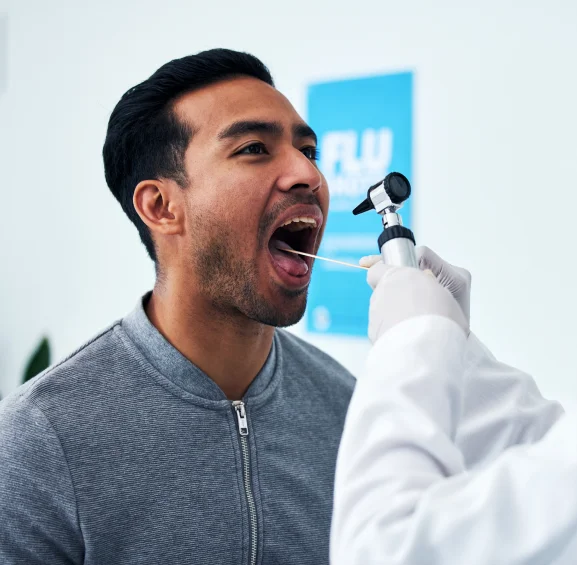
Recognize Unusual Oral Changes With Cancer Screening
Oral cancer can affect the lips, tongue, cheeks, gums, floor of the mouth, and other tissues inside the oral cavity. Some early changes may be painless or difficult to notice without a careful examination. At DeMarco Family Dental, oral cancer screening focuses on identifying unusual sores, persistent patches, lumps, and other changes that may require further evaluation.
During an appropriate dental visit, the team can examine visible oral tissues and discuss symptoms or concerns you have noticed. Screening does not confirm whether a person has cancer, but it can help identify changes that warrant additional assessment.
Schedule Your ConsultationWhy Oral Cancer Screening Matters
Changes in oral tissues can have several causes, and not every unusual spot or sore is cancerous. However, persistent or unexplained changes should not be ignored. An oral cancer screening provides an opportunity to check for concerning signs and determine whether further evaluation is appropriate.
Potential benefits of an oral cancer screening include:
- Helps identify unusual patches, sores, lumps, or tissue changes that may need closer examination.
- Helps patients recognize changes in their mouths and understand when to seek professional advice.
- Allows suspicious findings to be evaluated further rather than overlooked.
- Includes examining accessible areas of the mouth where potentially concerning changes may develop.
- Gives patients an opportunity to discuss symptoms, relevant risk factors, and appropriate next steps.
Who Should Consider Oral Cancer Screening?
Oral cancer screening can benefit adults with or without known risk factors. It is especially important for people who use tobacco, frequently consume alcohol, or have a history of oral cancer or precancerous lesions. Consider an examination if you notice persistent mouth sores, red or white patches, unusual lumps, unexplained bleeding, numbness, difficulty swallowing, or changes in tongue movement. Anyone concerned about oral health changes should seek professional evaluation promptly.
What Happens During an Oral Cancer Screening?
An oral cancer screening is generally a straightforward examination that can be performed during a dental visit. The goal is to look for unusual changes, understand any symptoms, and determine whether additional evaluation may be needed.
Healthy Habits for Long-Term Better Oral Health
Although oral cancer cannot always be prevented, certain habits may help lower risk and support overall health. Avoid tobacco products and seek professional support if you need help quitting. Limit alcohol consumption, particularly when combined with tobacco use. Protect your lips from sun exposure with SPF lip balm and a wide-brimmed hat. Include plenty of fruits and vegetables in your diet, and discuss HPV vaccination with your physician.
Check your mouth periodically for unusual sores, patches, or lumps, and report persistent changes to a healthcare professional. Regular dental visits also provide opportunities to discuss concerns and identify abnormalities that may require further evaluation.
Make Oral Cancer Screening Part of Your Routine
It takes just a few minutes, and it could make all the difference. At DeMarco Family Dental in Tuckerton, NJ, our caring, professional team performs thorough, gentle oral cancer screenings in a comfortable, spa-like setting. Call us at 609-296-8700 to speak with our team and schedule your visit today for better long-term health.
Request an AppointmentFrequently Asked Questions
About Oral Cancer Screenings
An oral cancer screening is a quick examination of the lips, mouth, tongue, throat, neck, and jaw to look for early signs of oral cancer, such as sores that do not heal, unusual patches, or lumps. It is typically done as part of a routine dental exam and does not involve any pain.
No. The screening is painless. It involves a visual inspection and a gentle feel of the tissues in the mouth, face, and neck. Most patients say it is no different from the rest of a routine checkup.
Most adults should have an oral cancer screening at least once a year, and it is usually done during routine dental exams. Patients with risk factors such as tobacco use, heavy alcohol use or a history of HPV may benefit from closer monitoring, and our team will recommend a schedule based on your health.
Early signs can include a sore or ulcer that does not heal within two weeks, red or white patches, a lump or thickened area, ongoing mouth or throat pain, difficulty chewing or swallowing, numbness, and unexplained bleeding. Many early lesions are painless, which is why screening is so valuable.
Risk factors include tobacco use, heavy alcohol use, HPV infection, extended sun exposure on the lips, increasing age, and a personal or family history of cancer. However, oral cancer can also occur in people with no known risk factors.
Yes. Although tobacco and alcohol are major risk factors, oral and throat cancers can also affect nonsmokers, in part because of HPV and other factors. This is why screenings are recommended for all adults.
A screening usually takes only a few minutes and is easily included in a regular cleaning and exam, so no extra appointment is typically needed.
If we notice an area of concern, we will explain what we see and discuss next steps, which may include a short recheck or a referral to a specialist for further testing. A screening cannot diagnose cancer by itself, so follow-up is an important part of the process. Finding something unusual does not necessarily mean cancer, as many changes turn out to be harmless.
