
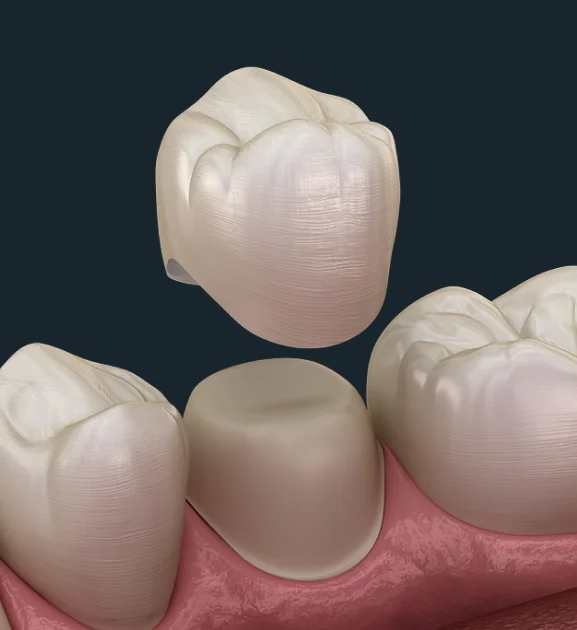
Strengthen a Damaged Tooth With Crowns
A cracked tooth, extensive decay, or an older restoration can make everyday activities like chewing uncomfortable and leave a tooth vulnerable to further damage. Dental crowns offer a way to cover and protect a compromised tooth while restoring its shape, size, and function. Protecting a weakened tooth with a crown early can often help you avoid more extensive treatment, such as an extraction, down the road.
At DeMarco Family Dental, crown treatment is planned around the condition of the affected tooth, your bite, and your overall oral health. Whether you need to reinforce a tooth after root canal treatment or restore one weakened by significant decay, a custom dental crown can help preserve your natural tooth and support a functional, natural-looking smile.
Schedule a ConsultationDifferent Types of Dental Crowns
Crowns come in several materials, and the right one depends on how long it needs to last, how visible the tooth is, how natural it should look, and what fits your budget. Here is a closer look at each option.
- Metal Crowns
Made from gold, platinum, or other metal alloys, these crowns have the best track record for lasting a very long time. They handle heavy chewing forces well, which makes them a common pick for molars at the back of the mouth, where their metallic color is rarely seen. - All-Porcelain or All-Ceramic Crowns
These crowns are shaded to match your natural teeth and have a slightly see-through quality that closely mimics enamel. That lifelike finish makes them a top choice for front teeth. Because they contain no metal, they are also a good fit for patients with metal sensitivities or allergies. - Porcelain-Fused-to-Metal Crowns
A metal core provides strength, and a layer of porcelain over it provides color. The result blends in well with neighboring teeth, though it does not have quite the same glass-like translucence as an all-porcelain crown. - Stainless Steel Crowns
These ready-made crowns are typically used on baby teeth. They are sturdy and economical, which makes them a practical way to protect a primary tooth until it naturally falls out. - Composite Resin Crowns
Crafted from tooth-colored resin, these crowns cost less than porcelain or metal options. However, they wear down much faster than other materials, so they are generally used as a short-term or temporary solution.
Signs a Crown May Be Needed
A crown is not always the first answer, but certain situations point toward one. A tooth may benefit from a crown if:
- A large cavity has left too little healthy structure for a filling to hold
- A crack or fracture is spreading, or pain appears when you release a bite
- The tooth is worn down from grinding, clenching, or acid erosion
- An old filling is breaking down and the tooth around it is weakening
- The tooth has had root canal treatment and needs protection afterward
- A dental implant needs a visible, natural-looking tooth on top
- A misshapen or heavily discolored tooth needs a durable cosmetic improvement
From Tooth Preparation to the Final Fit
A crown takes careful planning because it must fit precisely and feel right when you bite. Most patients complete the process over two visits, with a temporary crown in place in between.
Caring for Your New Dental Crown
A well-made crown can last for many years, and daily habits play a big role in how long. Expect a short adjustment period, as the crown may feel different and mild sensitivity usually settles. Brush gently and floss daily around the gumline, where plaque tends to collect at the edge of the crown.
Avoid chewing ice, hard candy, and popcorn kernels, which can chip or loosen it, and wear a custom night guard if you clench or grind your teeth. Keep up with regular checkups so early wear or decay is caught quickly. Call our office if the crown feels high, your bite seems off, it loosens, or pain persists.
Strengthen Damaged Teeth With Dental Crowns
A cracked or worn tooth rarely gets better without care, and delays can lead to bigger repairs. At DeMarco Family Dental in Tuckerton, we help patients restore damaged teeth with custom dental crowns, with clear explanations and gentle care. Call us at 609-296-8700 to schedule your dental crown consultation.
Request an AppointmentFrequently Asked Questions
About Dental Crowns
A dental crown is a custom-made cap that fits over a damaged tooth to restore its shape, strength, and appearance. It covers the entire visible part of the tooth above the gumline.
A crown is typically recommended for a tooth that is cracked, severely decayed, worn down, or weakened by a large filling or root canal treatment. Crowns are also used to cover dental implants and to improve the look of misshapen or discolored teeth.
Most crowns last between 10 and 15 years, and many last longer with good oral hygiene and regular checkups. The material, the tooth’s location, and habits such as grinding or chewing hard objects all influence how long a crown holds up.
The tooth and the surrounding gum are numbed before treatment, so you should feel pressure but not sharp pain. Some tenderness and temperature sensitivity can occur for a few days afterward and usually fade quickly.
A crown usually takes two visits. At the first, the tooth is prepared and a temporary crown is placed. At the second, the permanent crown is checked, adjusted, and cemented in place.
There is no single best material for every tooth. Porcelain and ceramic crowns offer the most natural look, zirconia provides exceptional strength, and metal alloys are very durable for back teeth. We will recommend the option that suits your bite and your goals.
Yes, a crown can loosen over time, especially if the cement wears or decay develops underneath. If a crown comes off, keep it in a safe place, avoid chewing on that side, and call our office as soon as possible so we can re-secure or replace it.
Crowns do not decay, but the tooth underneath can still develop cavities, especially near the gumline. Brush twice a day, floss daily, and keep up with regular dental visits to keep the crown and tooth healthy.
